
olos
Healthtech, Co-founder
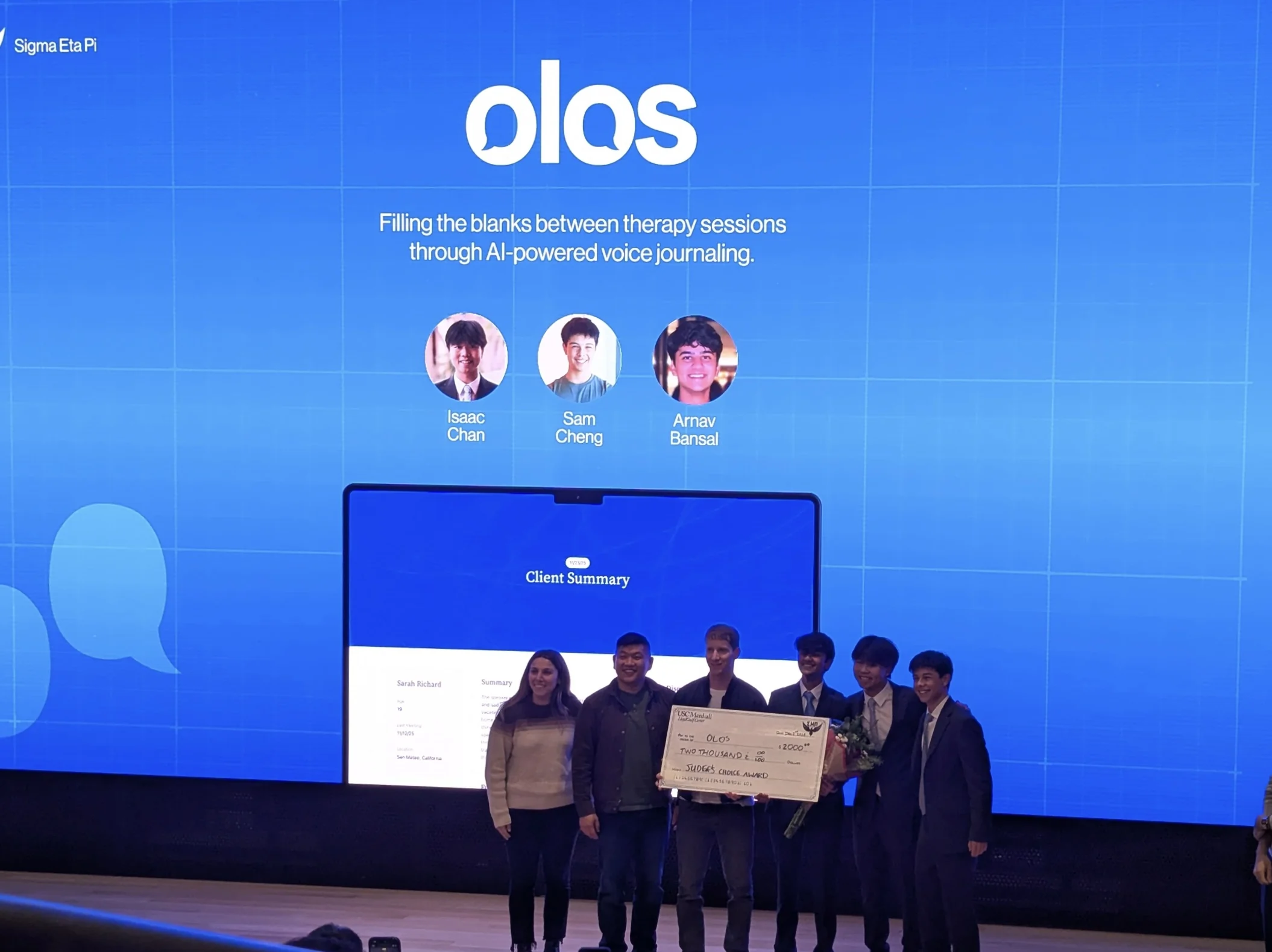
A pre-session analysis tool for therapists. Double product to increase client retention. Won SEP F’25 Demo Day.
arnav bansal®

Building where research turns into product.
Currently studying Data Science & Econ @ USC
ARNAV BANSAL — PRODUCT, VENTURE, RESEARCH
LOS ANGELES
Hi! I’m Arnav. Research taught me to be sure. Building taught me to be fast.
selected work
Healthtech, Co-founder
A pre-session analysis tool for therapists. Double product to increase client retention. Won SEP F’25 Demo Day.
Wealth-tech, Analyst
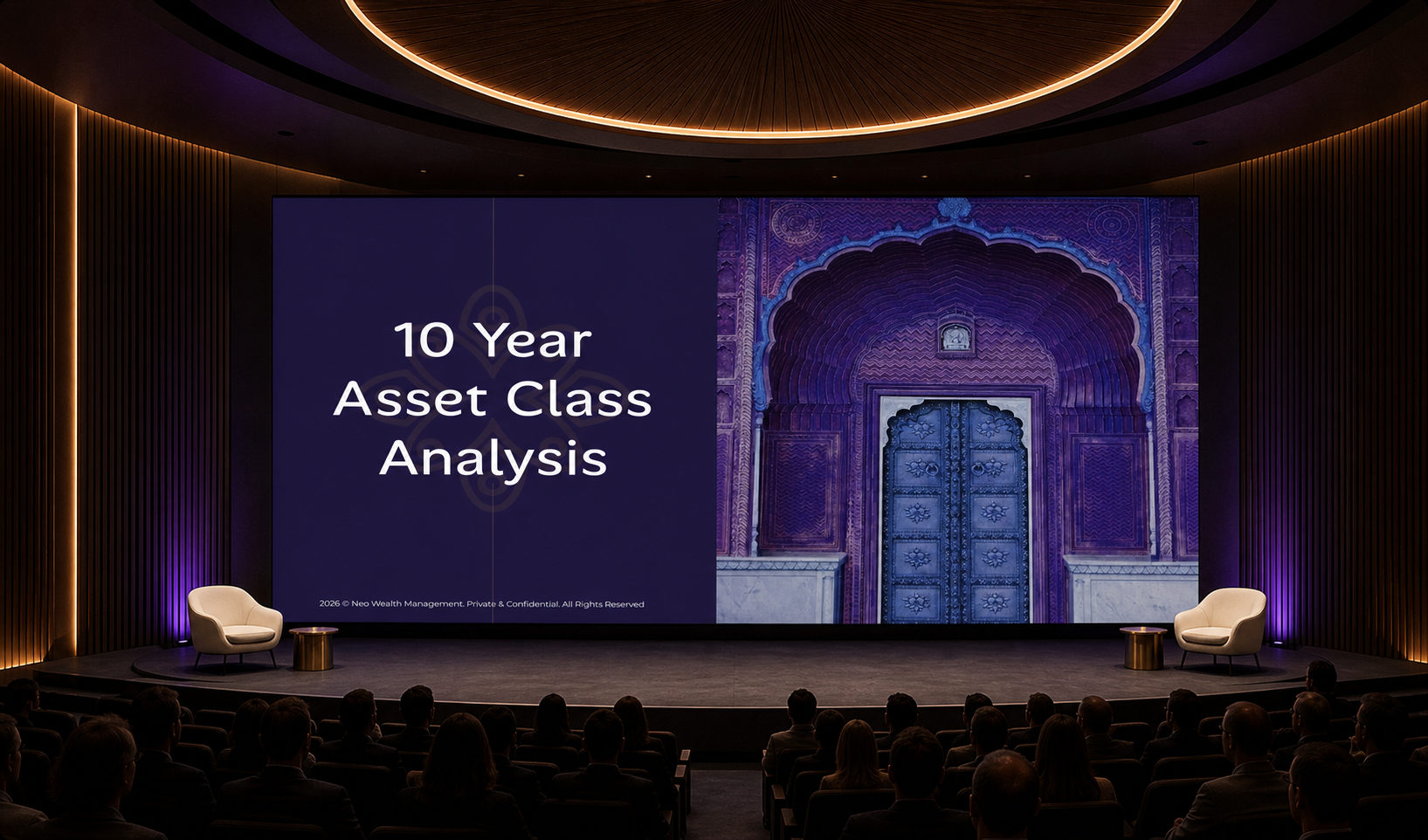
India’s fastest growing wealth unicorn. Worked on portfolios and an asset prediction analysis for a 10 year time frame

Climate, Co-Founder
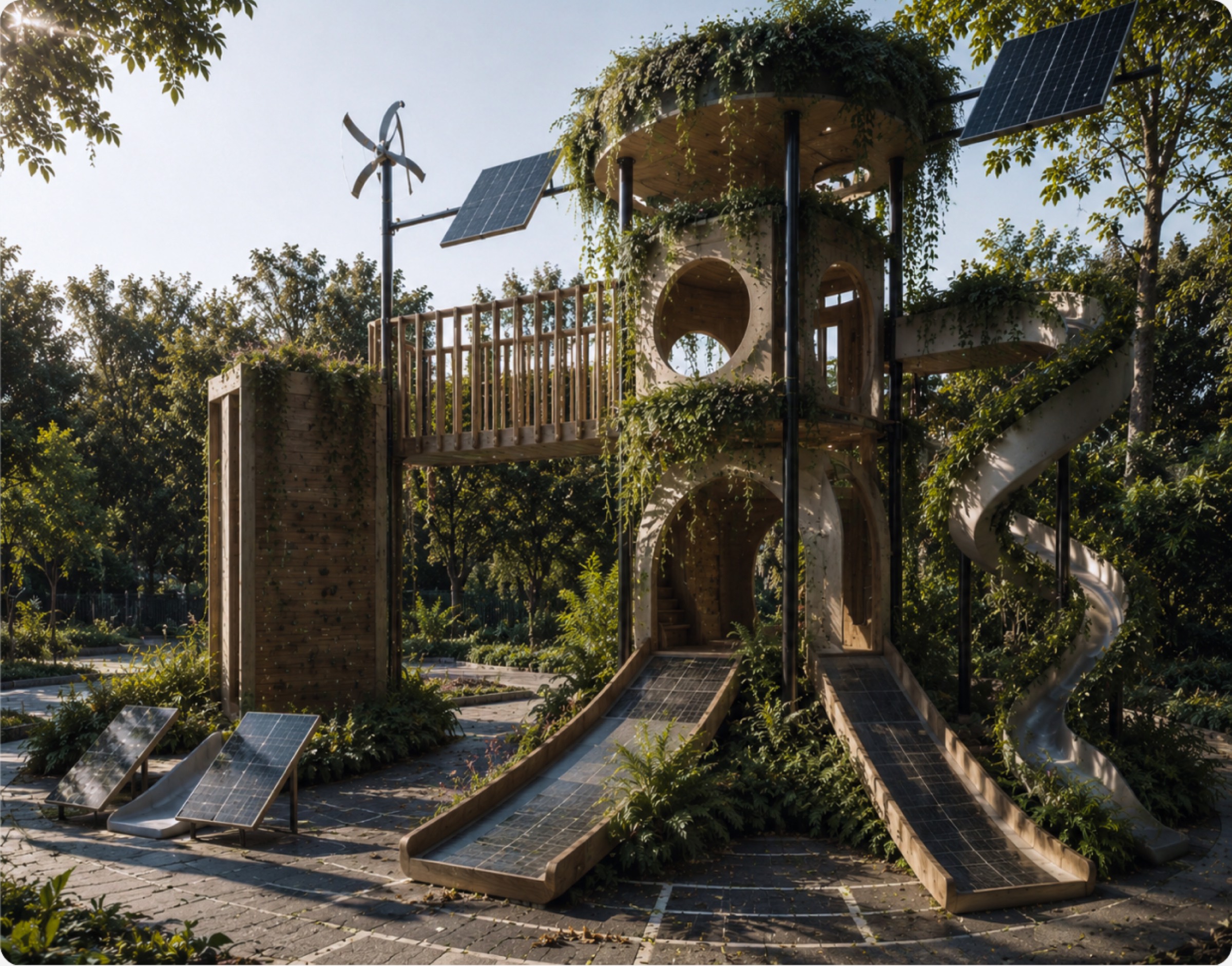
Energy Generating playgrounds. Concept that won the Conrad innovator award by Space Center Houston.

Agritech, Co-Founder
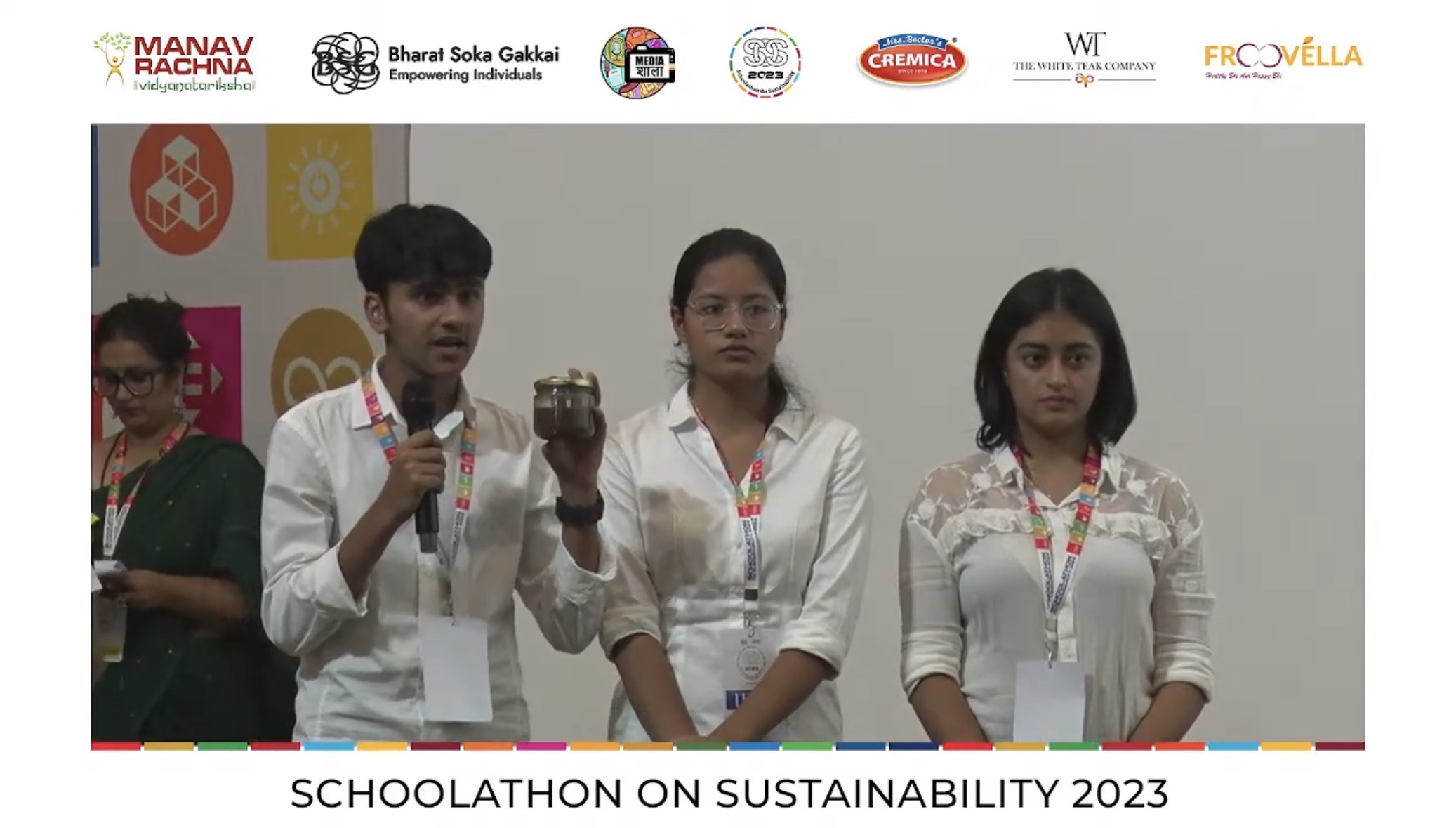
Proprietary Nano-biofertilizer non profit organiztion. Worked with local govt. Won a national science competition


Finance, Intern
Youngest intern as a graduated high schooler. Worked on distribution of stock dividend. 2M entries


Growth, Contract


now playing 01 / 03
maggots for brains
Art: coming soon.

Therapists had low client retention & clients felt therapy wasn’t worth the money.
01 — THE PROBLEM
Sessions run weekly or fortnightly. Everything a client feels in between, the argument, the bad week, the small breakthrough, arrives at the next session as whatever the two of them can still remember.
We talked to more than 100 therapists and over 200 of their clients before we built anything. Therapists were losing around twenty minutes a session rebuilding context, and they were already burnt out. Clients were quietly deciding the hour wasn’t worth the money, because most of it went to recapping instead of solving.
That reframed the whole thing. Retention isn’t a loyalty problem. It’s a value-per-hour problem, and the hour was being spent on the wrong half.
02 — WHAT WE BUILT
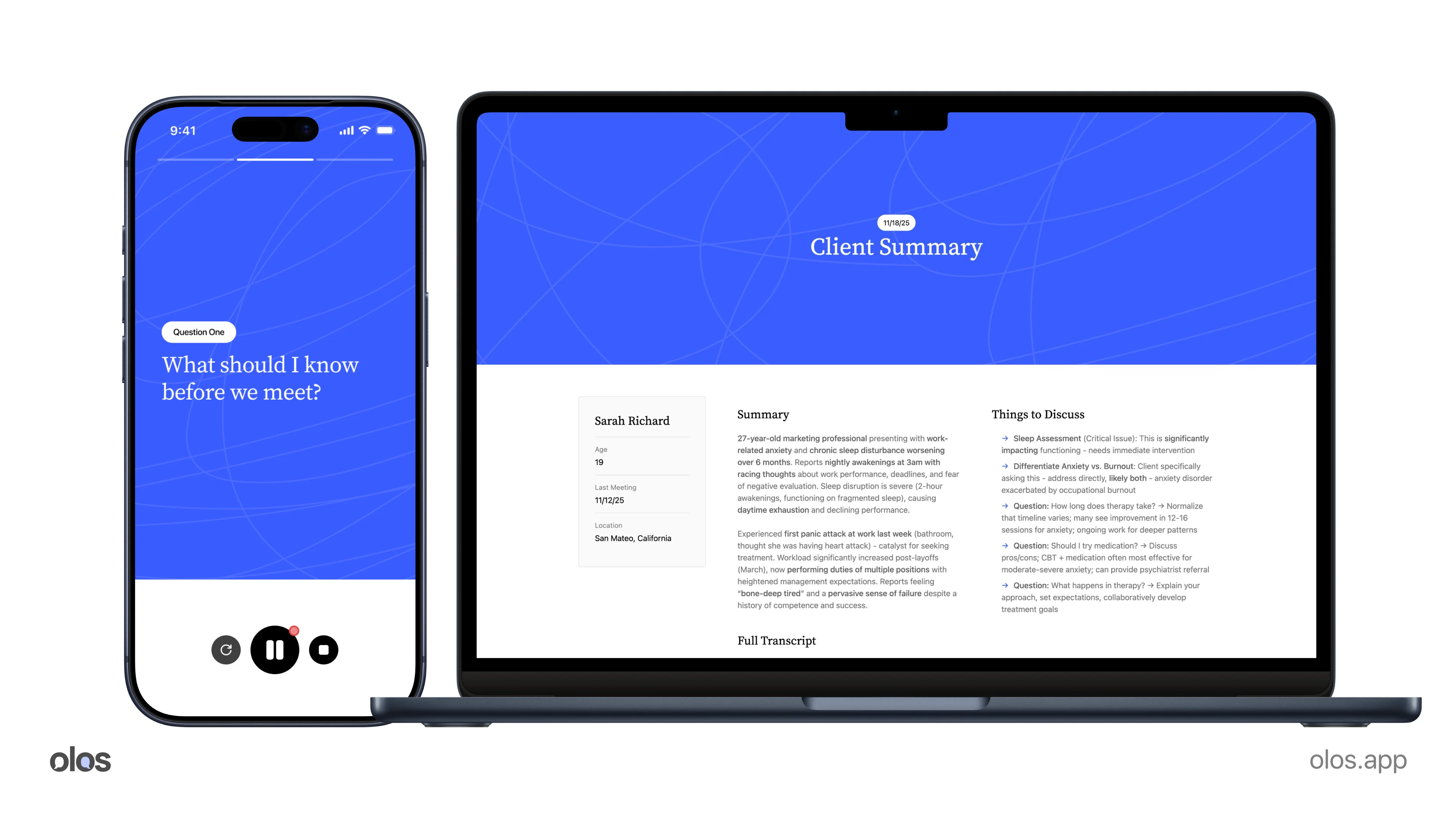
The client side is a voice memo and one prompt: what do you want to talk about? They talk. No forms, no streak to maintain, no new habit, because speaking it out is useful to the client in its own right whether or not anyone reads it.
The therapist side turns that into a brief they read in ninety seconds: who the client is, the key concerns, what’s already been covered, a summary and transcript of what’s happened since, and an analysis of the gap between sessions. Twenty minutes of recall became ninety seconds of reading, which roughly doubles the part of the session that points forward instead of backward.
We deliberately didn’t build the rest of the practice stack. Therapists asked for insurance and billing. That market is crowded and it wasn’t the problem we’d proved.
03 — WHAT HAPPENED
First version shipped in about a week, then I ran cold outreach hard. No network, no warm intros, just volume and a pitch reshaped for whoever picked up. Around 30 therapists paid for a first month. Letters of intent followed from larger group practices, and one from a CMO at Sutter Health in the Bay Area.
Several therapists told us the same thing: they wanted to know about an emergency before it reached them rather than after, and that need ran well past therapy into somatic care and healthcare generally.
We won Demo Day at SEP, USC’s most selective startup incubator, judged by founders and VCs.
Client data was deleted at the end of every engagement. The architecture was built to be HIPAA compliant, though we never certified it, which was the right call at that stage.
Long term asset class analysis + building portfolios and strategy analysis.
01 — THE PROBLEM
Neo Wealth & Asset Management is a private bank, investment bankers running private banking and financial products for individuals and companies. My MD wanted a ten year outlook, because the clients this team serves are long term and ultra high net worth.
The real question underneath it was positioning. Where should the firm stand as industries and niches move, and which asset classes does nobody here have a forward view on yet.
02 — WHAT I BUILT
I covered Indian equities, US equities, gold, bitcoin and the wider crypto market, private equity, private credit, and real estate in both India and the UAE. Risk, return and allocation for each, plus a read on where the industry and each niche was heading.
Method was aggregation first: research from major banks, Neo’s own private research, and public sources. Then a quant model and regression on top, with AI used heavily to get through the volume at the speed the desk needed. Alongside it I built a model portfolio for an ultra high net worth mandate, sized against the team’s roughly $75M.
I can walk through the methodology. The specifics stay inside the firm.
03 — WHAT HAPPENED
It went to MDs, members of the founding team, private bankers and analysts. It wasn’t adopted verbatim. It was tweaked and pulled into portfolios by bankers, including teams in other locations.
The feedback that mattered: it was in depth enough to give them a forward view on asset classes where they’d had none, and it fed real allocation decisions for existing clients. Markets being markets, no ten year call is ever right. The job was to make it specific enough to be worth disagreeing with.
WHY THIS SITS ON A PRODUCT PORTFOLIO
Because it was the most product shaped work I’ve done that didn’t involve software. The deliverable was research turned into specs turned into documents other people build on, coordinating across bankers and analysts who each wanted a different cut, deciding what got covered and what didn’t, and shipping it into someone else’s workflow. That is the job. The surface just happened to be paper.
Repurposing playgrounds into energy generating devices.
01 — THE PROBLEM
Around 80% of the world’s energy still comes from fossil fuels, and every alternative asks for space: solar farms, wind farms, flooding a valley for hydro. Wind carries visual and noise cost, tidal power risks aquatic life, solar stops at night.
Meanwhile there is a playground in nearly every neighbourhood on earth, absorbing kinetic energy all day and doing nothing with it.
02 — WHAT WE DESIGNED
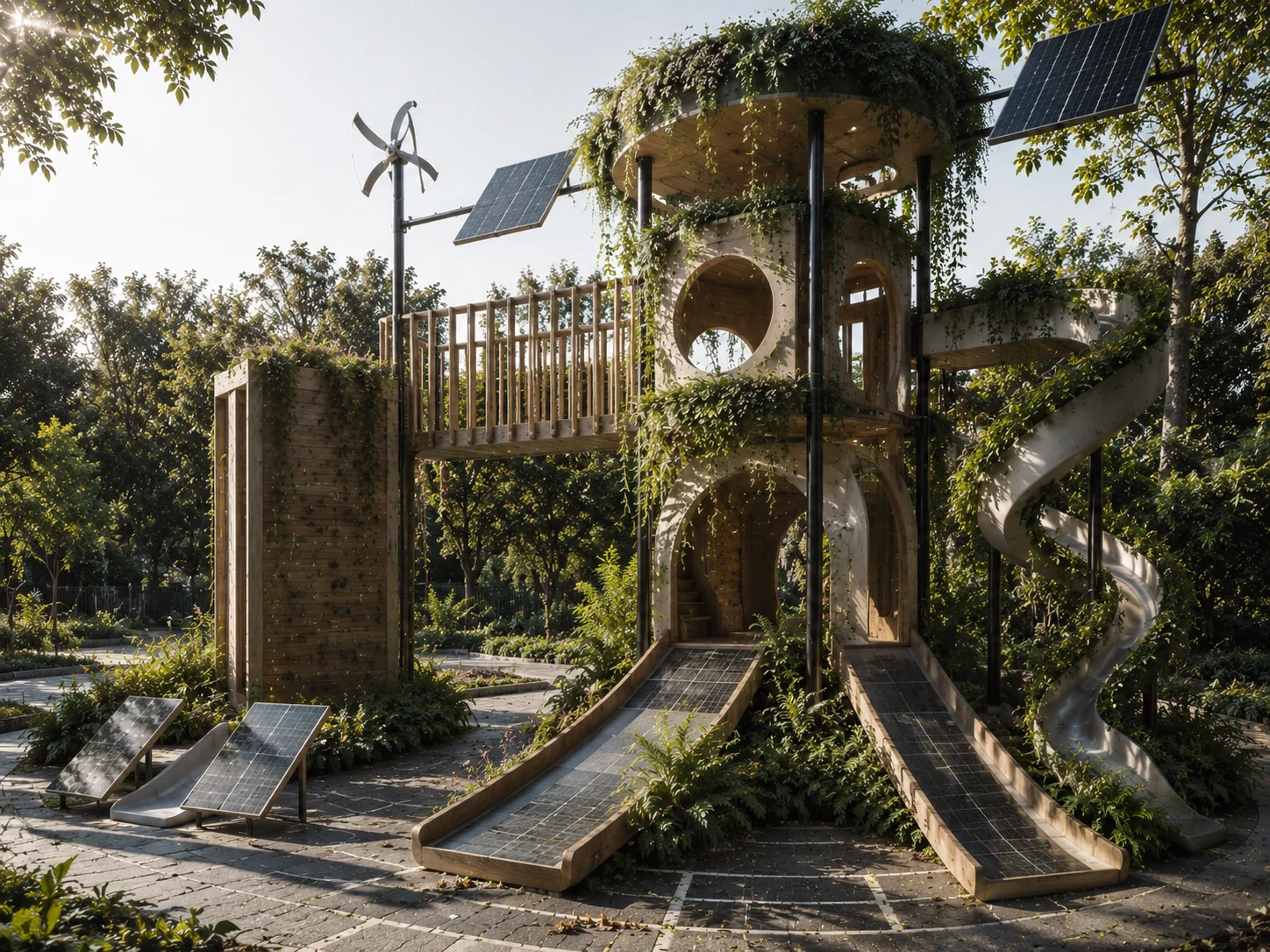
Piezoelectric surface layers in barium titanate, chosen over polymers like PVDF for rigidity and a higher piezoelectric coefficient, plus a rotating coil generator driven by the merry-go-round that works like a bicycle dynamo. Current from both sources runs through rectifiers and filters before the grid. Each region of the playground sits on its own parallel branch with an ammeter, so a municipality gets live usage data as well as power.
My part was the research: establishing from published work whether it held up. We modelled the playground in Fusion 360 and arranged the equipment to maximise the footsteps a child takes crossing it, then used AnyBody Modeling System to simulate gait through the space. Each footstep raises the stored energy by 0.00004%, which across a day’s traffic comes to roughly 8%.
03 — WHAT HAPPENED
We surveyed school management across five schools in three countries, and the most useful thing anyone told us had nothing to do with physics: stop leading with the science and make the playground look like somewhere a child wants to be. We redesigned around that.
Modelled the business at $11,500 for a base unit rising to $100,000 at full scale, into a global playground market worth around $4.9B in 2022.
Nonprofit based on proprietary nano-biofertilizers.

01 — THE PROBLEM
I was assisting PhD research at a university in Chandigarh on synthesising nanoparticles biologically. What I couldn’t stop noticing was that the problem the research pointed at was happening ten minutes away. Chemical fertilizers were degrading soil across the region, and the farmers using them were the people worst affected by them.
I’d grown up seeing it. That’s the part that made it impossible to leave in the lab.
02 — WHAT I BUILT
I formulated a bio-liquid nano-fertilizer, biologically synthesised rather than chemical, built to improve soil instead of stripping it. I took it into a national high school sustainability competition with a few friends and we won ₹50,000. The money wasn’t the point. It was the first evidence the idea survived contact with people who knew the field.
Then the actual work started. I went to mayors, opened six chapters, worked with local leadership and used their land, and ran workshops that taught farmers to make the fertilizer themselves rather than buy it from me. Roughly 4,500 farmers.
03 — WHAT HAPPENED
Almost every farmer was hesitant. Indian farmers are older and have done it one way for thirty years, and you cannot sell them on soil chemistry. You sell on what they already feel: what the chemicals do to their hands, their land, their costs.
Changing a workflow that has worked for three decades is the entire job. The product is the easy half.
It ran as a nonprofit and it’s dormant now.
Auditing + tech consulting.
01 — THE WORK
I audited dividend distribution for one of India’s largest companies. Two million shareholder entries, verified individually and entered into proprietary portals. It’s the kind of work a model could theoretically do and a human has to actually do, because the confidentiality and accuracy is the point.
If an entry is wrong, a shareholder doesn’t get paid, and they resubmit their documents again and again for a mistake they can’t see and didn’t make. I ended up absorbing other interns’ workloads when they left or couldn’t keep up. I was the youngest person there.
WHAT AUDITING TAUGHT ME ABOUT PRODUCT
The person who pays for a defect is almost never the person who can see it. Two million rows is an abstraction. A shareholder resubmitting their documents for the third time is not.
I think about that whenever a spec treats an error rate as a number instead of as a specific person having a bad week.